

Related News
Four Highlights Ignite the Hexagonal Ring | 2026 Season China Wushu SANDAWANG Championship Qualifiers (Yuncheng Leg) Conclude Successfully
Source:SANDAWANG
2026年10月13日
Views
On August 6, the 2026 Season China Wushu SANDAWANG Championship Qualifiers (Yuncheng Leg) came to a successful conclusion at Songjiang Wushu School — Yuncheng Huimeng Wushu Center. Throughout the competition, the arena presented four distinctive changes: the rising power of female athletes, technical innovation in heavyweight divisions, the return of traditional combat techniques, and the refreshed competition style and system. Breaking away from rigid traditional regulations, the event revitalizes the essence of traditional Wushu and builds a fair and intense competitive arena that inherits the enduring martial spirit of self-improvement. The newly upgraded SANDAWANG event features fierce and thrilling ring confrontations, profound traditional Wushu heritage, and the vigorous vitality of a new generation of athletes.
High‑standard Closed‑loop Event Operation, Professional System Safeguards Competitive Fairness
Hosted by the Wushu Sports Management Center of the General Administration of Sport of China, Chinese Wushu Association, Shandong Provincial Bureau of Sports, Heze Municipal People’s Government and Guowu Times International Media Culture (Beijing) Co., Ltd., this leg of the competition is undertaken by Shandong Wushu Institute, Heze Municipal Bureau of Education and Sports, Yuncheng County People’s Government, Sandawang Culture Development (Beijing) Co., Ltd. and Yuncheng Huimeng Sports Culture Development Co., Ltd. Co‑organizers include Heze Sports Development Center, Yuncheng County Bureau of Education and Sports, Yuncheng County Sports Service Center and Yuncheng Songjiang Wushu School.
The whole event adopts closed‑loop management in line with national‑level competition standards. Pre‑event procedures including athlete registration, weigh‑in, organizing committee meeting and technical meeting were carried out in order. During the competition, professional refereeing, on‑site medical support and anti‑doping supervision were implemented simultaneously. The event strictly adheres to the principles of fairness, impartiality and openness throughout all sessions.

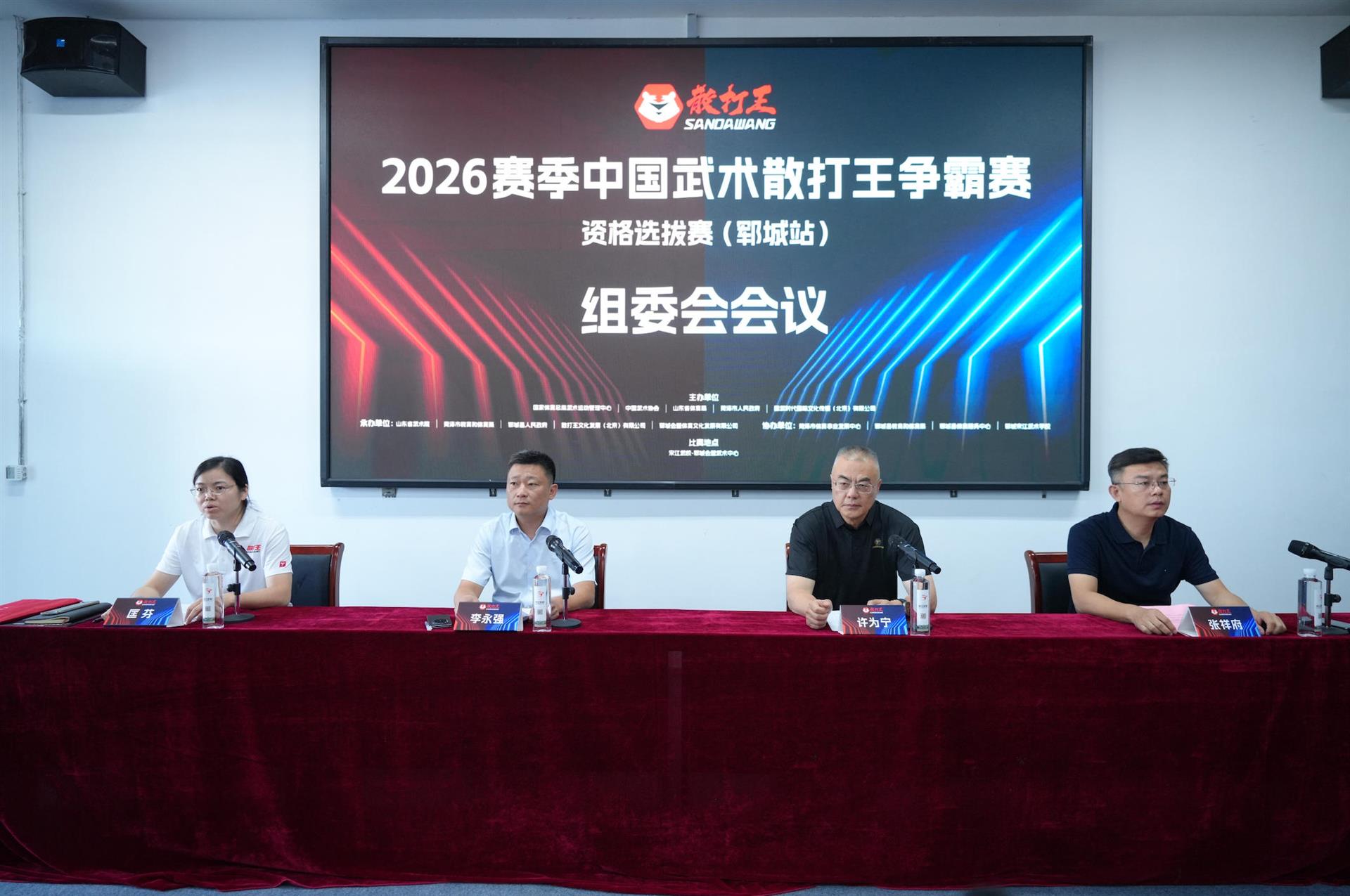
Fig. Organizing Committee Meeting Held in Order to Consolidate the Foundation of Event Organization
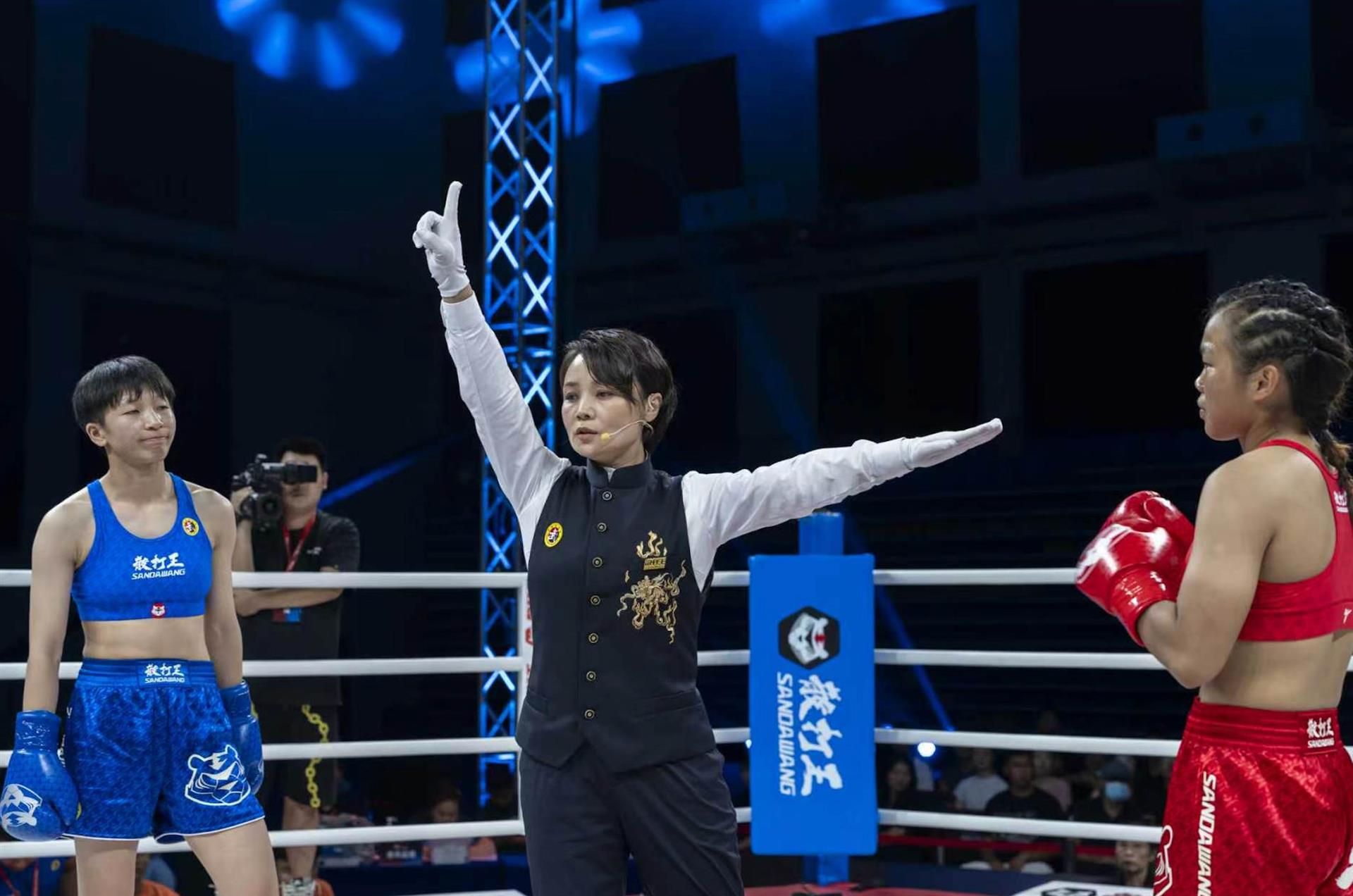

Fig. Referee Gives Start Signal as Female Athletes Get Ready
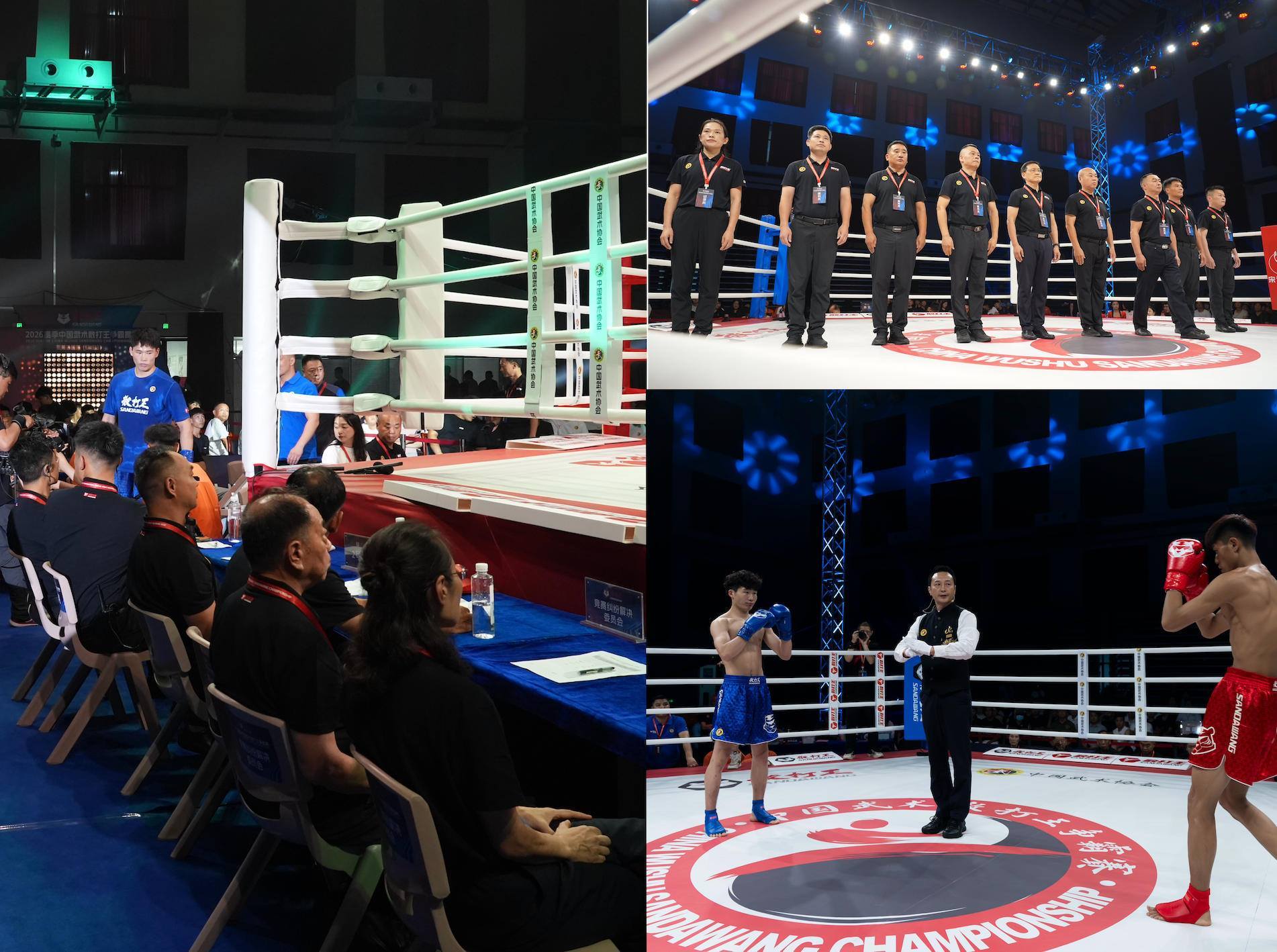

Fig. Referee Team Performs Duties Diligently, With Technical Supervisors and On-site Officials Working Across Roles to Safeguard Fairness on the Arena
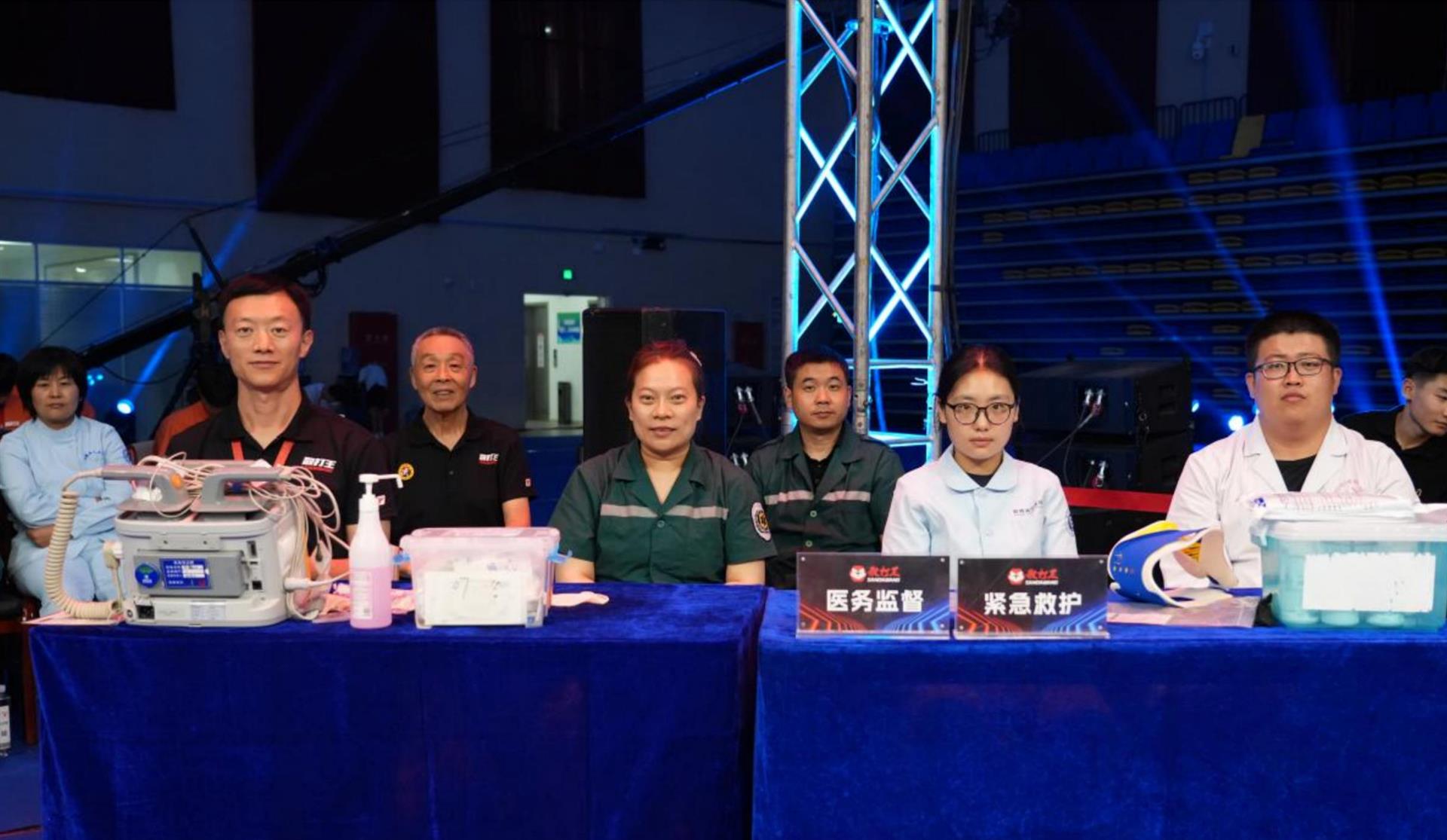

Fig. On-site Medical Team Stays On Duty Throughout to Ensure Event Safety
The competition featured eight competitive sessions. Distinguished guests including representatives from the Wushu Sports Management Center of the General Administration of Sport of China, the Chinese Wushu Association, relevant Shandong‑based authorities and invited Wushu industry experts attended and offered guidance throughout the event.
For the final‑session matches, guests present included Chen Chong and Li Yongqiang, Deputy Directors of the Wushu Sports Management Center of the General Administration of Sport of China and Vice‑Chairmen of the Chinese Wushu Association; Xu Weining, Chairman of Guowu Times International Media Culture (Beijing) Co., Ltd.; Chi Yongjun, Chief Executive Officer of Guowu Times International Media Culture (Beijing) Co., Ltd.; Wei Shubo, Member of the Party Leadership Group and Deputy Director of Shandong Provincial Bureau of Sports; Zhang Xiangfu, Party Secretary and Director of Shandong Wushu Institute; as well as Li Ping, Director of the Editorial Committee of Chinese Wushu Magazine.
The leaders and guests closely observed athletes’ competitive performance, in‑ring technical displays and overall event organization. They fully recognized the innovative measures of this qualifier, such as the revival of traditional Sanda techniques, reformed competition rules and the balanced arrangement for men’s and women’s events.
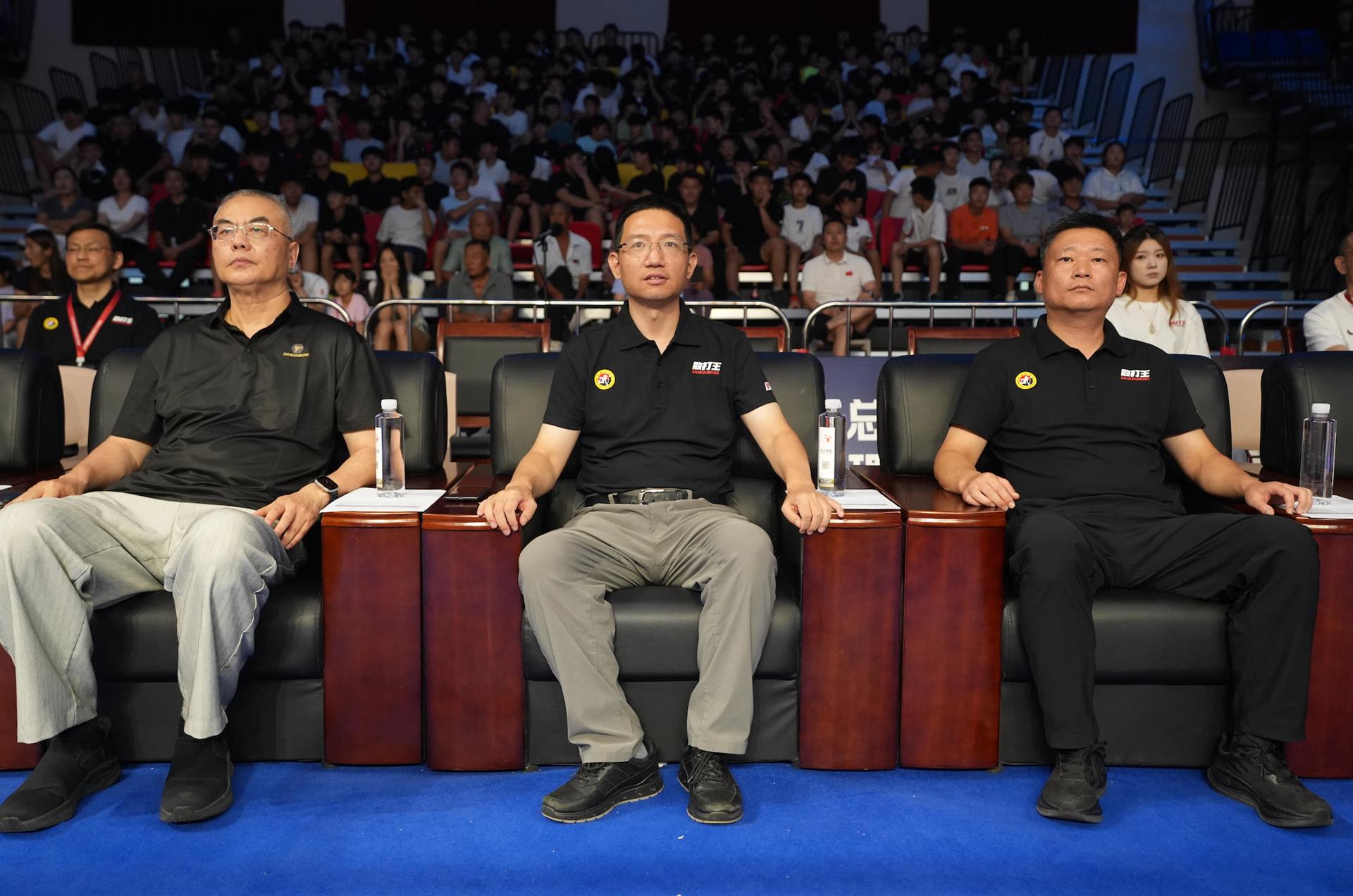

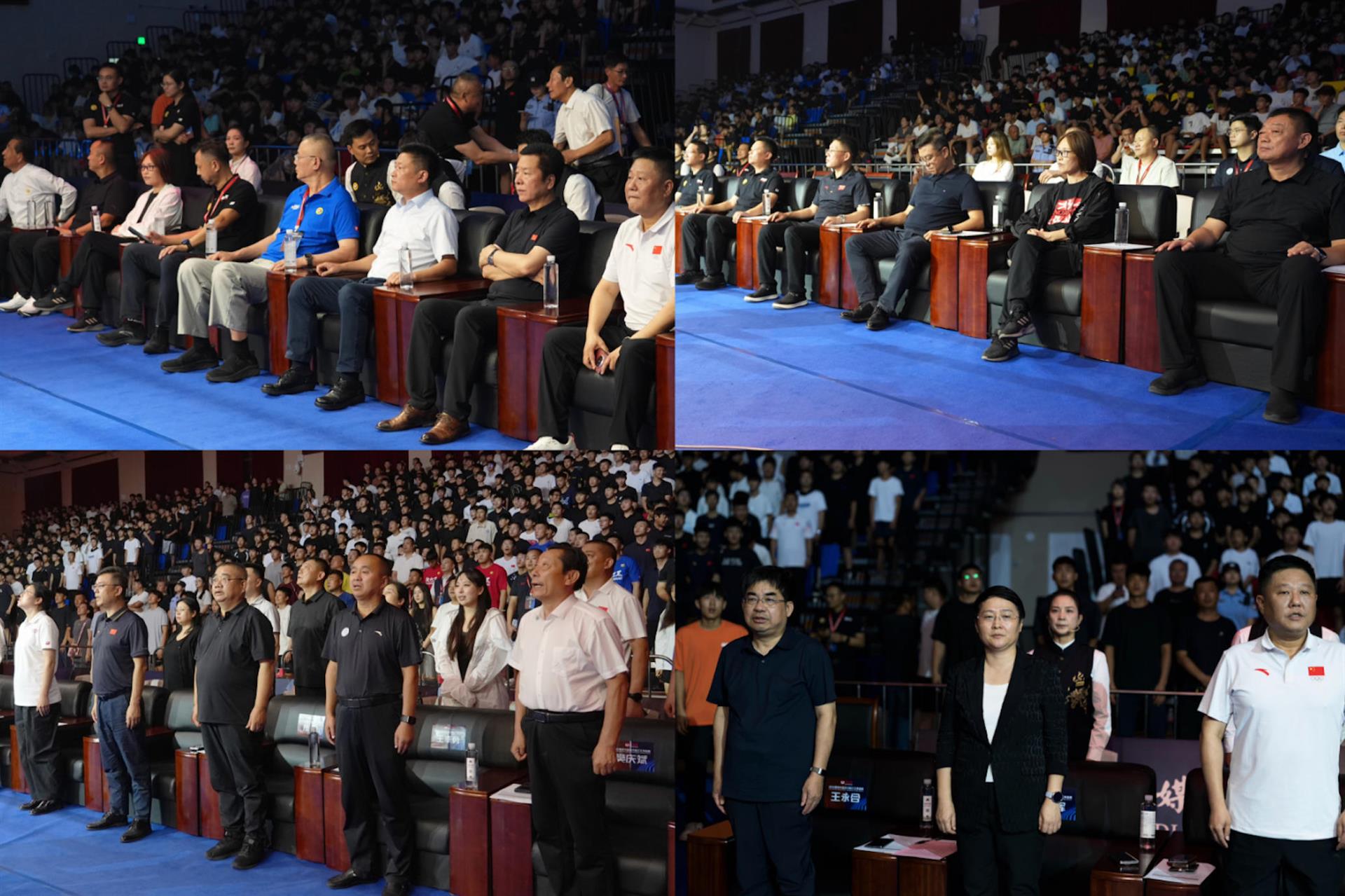

Fig. Leaders and Distinguished Guests Attend to Watch the Competition On-site
Highlight 1: Balanced Group Layout, Women’s Sanda Gains Prominent Influence
Domestic Sanda competitions in the past have long centered on men’s divisions, while women’s events received relatively limited exposure and development opportunities. For the 2026 SANDAWANG Season, the event structure has been optimized with two standalone women’s divisions: 56kg and 65kg. It builds a national‑level professional platform where male and female athletes compete on equal footing to showcase their strengths, making up for the shortcomings in the development of women’s Sanda events.
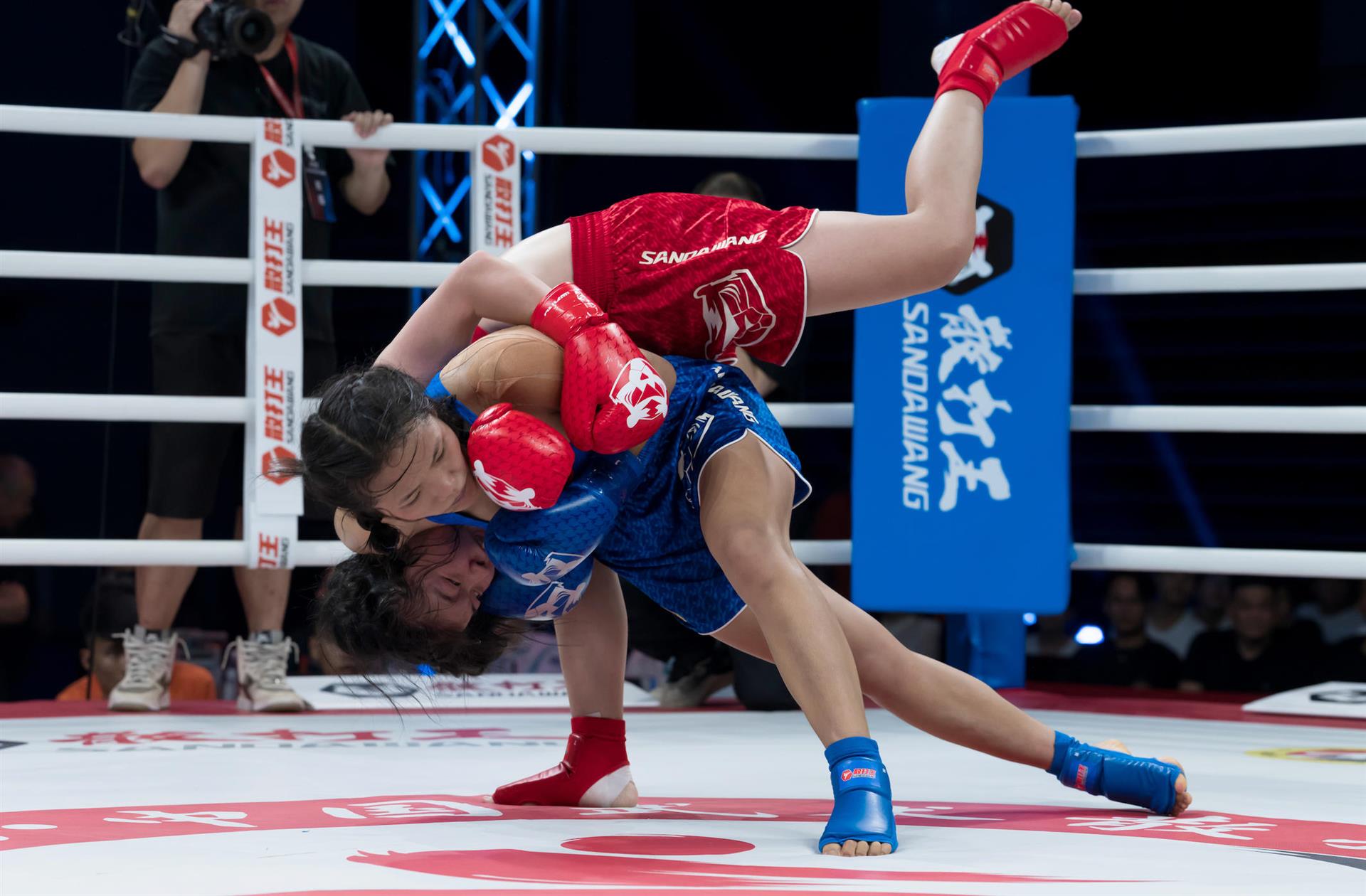
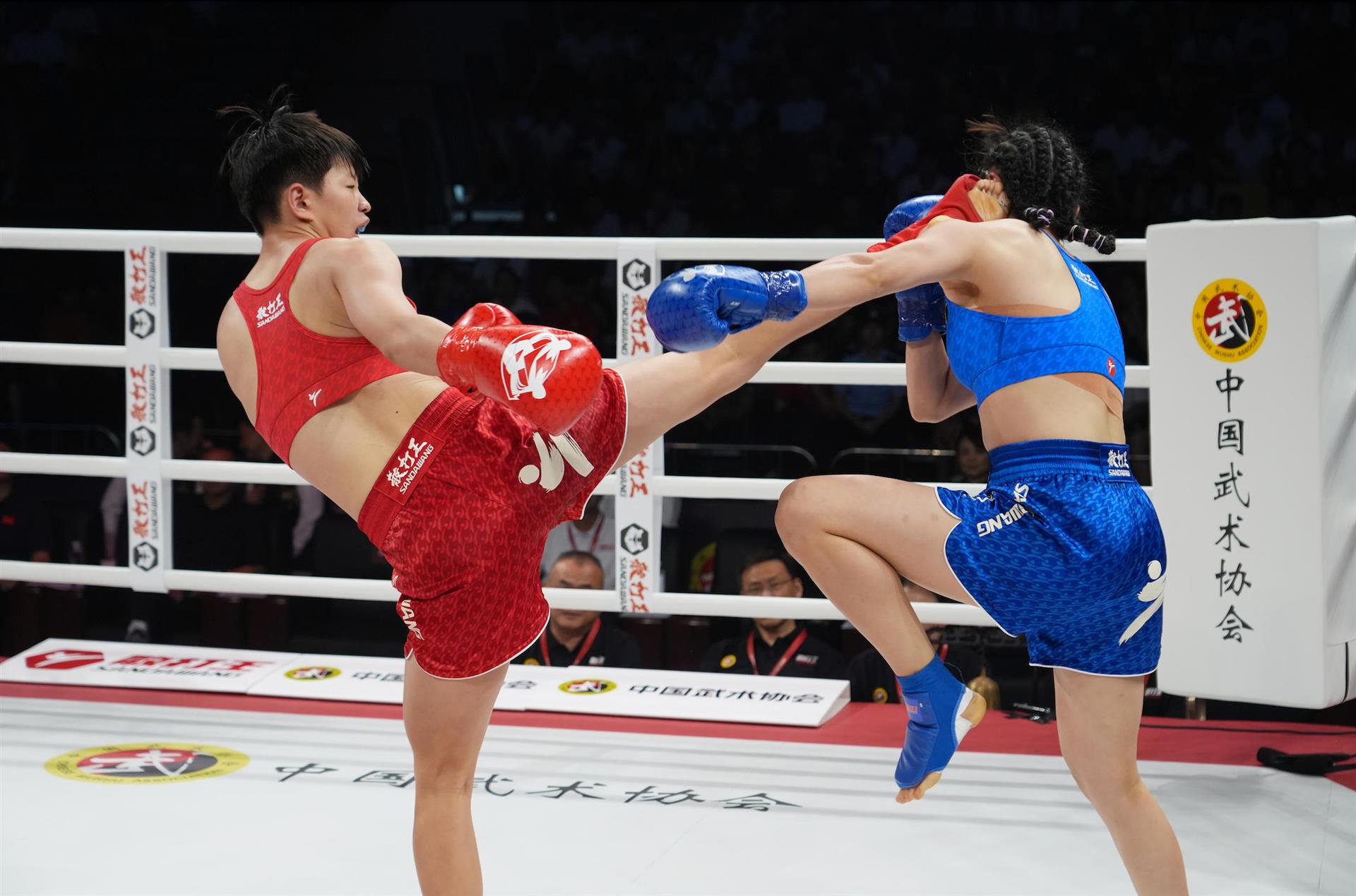


Fig. High-intensity Competition in Women’s Divisions, Female Fighters Demonstrate Impressive Competitive Strength
The women’s bouts at this Yuncheng Leg delivered full‑intensity confrontations, completely breaking the public’s stereotype that women’s combat sports feature mostly point‑scoring strikes and mild exchanges. Female fighters displayed agile footwork and smooth transitions between offense and defense. They executed well‑honed blocks, counter‑attacks and leg‑grab takedowns, with clear tactical thinking and excellent on‑the‑spot adaptability. Their sustained high‑intensity clashes demonstrated solid technical foundations, fully proving that women’s Sanda boasts an independent, complete competitive system and unique arena charm, and that female athletes are equally capable of formidable competitive performance.Highlight 2: Comprehensive Technical Upgrading, Re‑defining the Aesthetics of Heavy‑weight Sanda
Highlight 2: Comprehensive Technical Upgrading, Re‑defining the Aesthetics of Heavy‑weight Sanda
In traditional competitions, heavy‑weight athletes over 90 kg are often stereotyped as slow‑moving and one‑dimensional, relying merely on brute strength, which weakens the viewing experience. This qualifying event breaks such prejudices. Many heavy‑weight competitors move beyond simple strength‑dominated tactics and achieve an organic integration of power, speed, tactics and body movement.
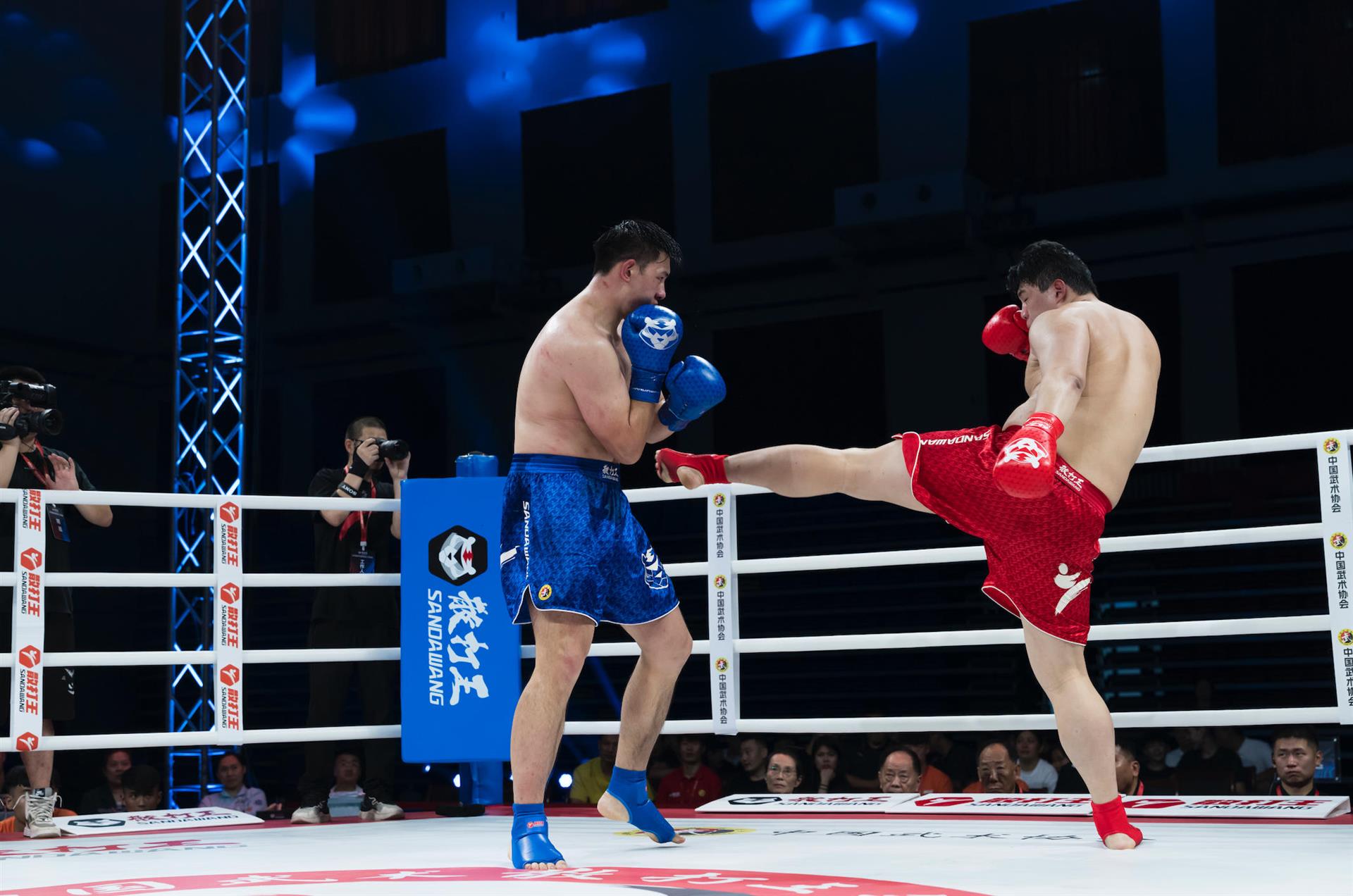

Fig. Heavyweight Athletes Combine Power and Tactics to Redefine the Competitive Aesthetics of Heavyweight Sanda
On the arena, these physically imposing athletes move nimbly in attack and retreat. They deliver penetrating heavy punches and kicks, while excelling in diverse tactics including evasive movement, feints, and leg‑catch counter‑attacks. Their offense‑defense rhythm is layered, well‑paced with alternating fast and slow tempo.Hard‑hitting power confrontations go hand‑in‑hand with refined technical contests, reshaping public perceptions of heavy‑weight Sanda and forging the distinctive competitive aesthetics for domestic heavy‑weight divisions.
Highlight 3: Return of Traditional Techniques Highlights the Core Spirit of Sanda
The 2026 SANDAWANG Season witnesses the full return of authentic traditional Sanda techniques to the arena, realizing the restoration of the sport’s original essence. Matches are no longer limited to repetitive exchanges of straight punches and whip kicks. Instead, a wide range of classic techniques rooted in traditional Chinese Wushu have made frequent appearances and amazed audiences.Spinning back fists and spinning back kicks have become iconic highlights of the tournament. Athletes generate power through waist rotation and body torsion, delivering fluid, well-structured movements with deceptive offense and defense. Combining explosive force with high viewing value, their performances perfectly interpret the combat wisdom of traditional Wushu. Every technique carries profound heritage, reflecting the profound accumulation and essence of Chinese martial arts.
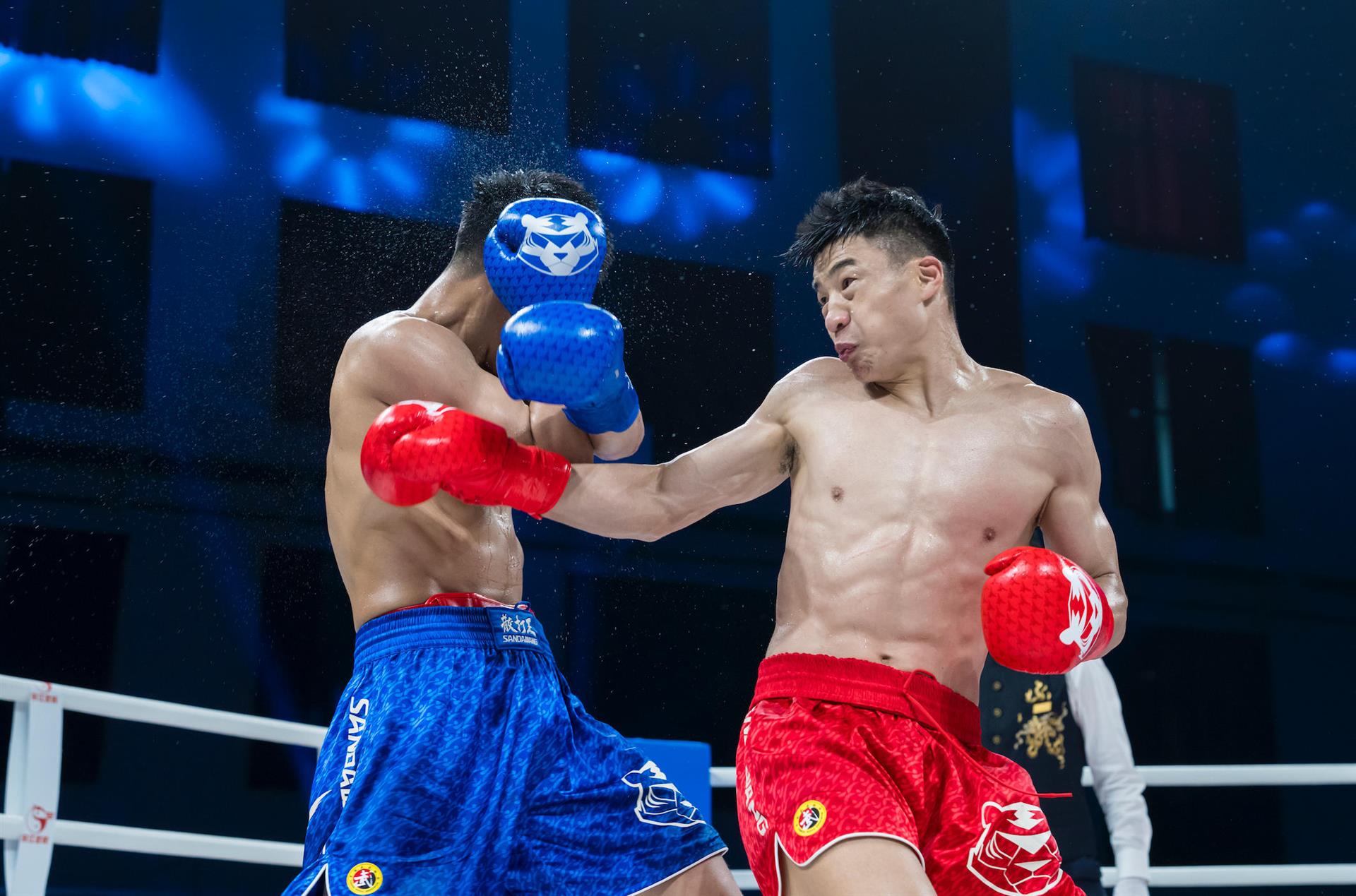
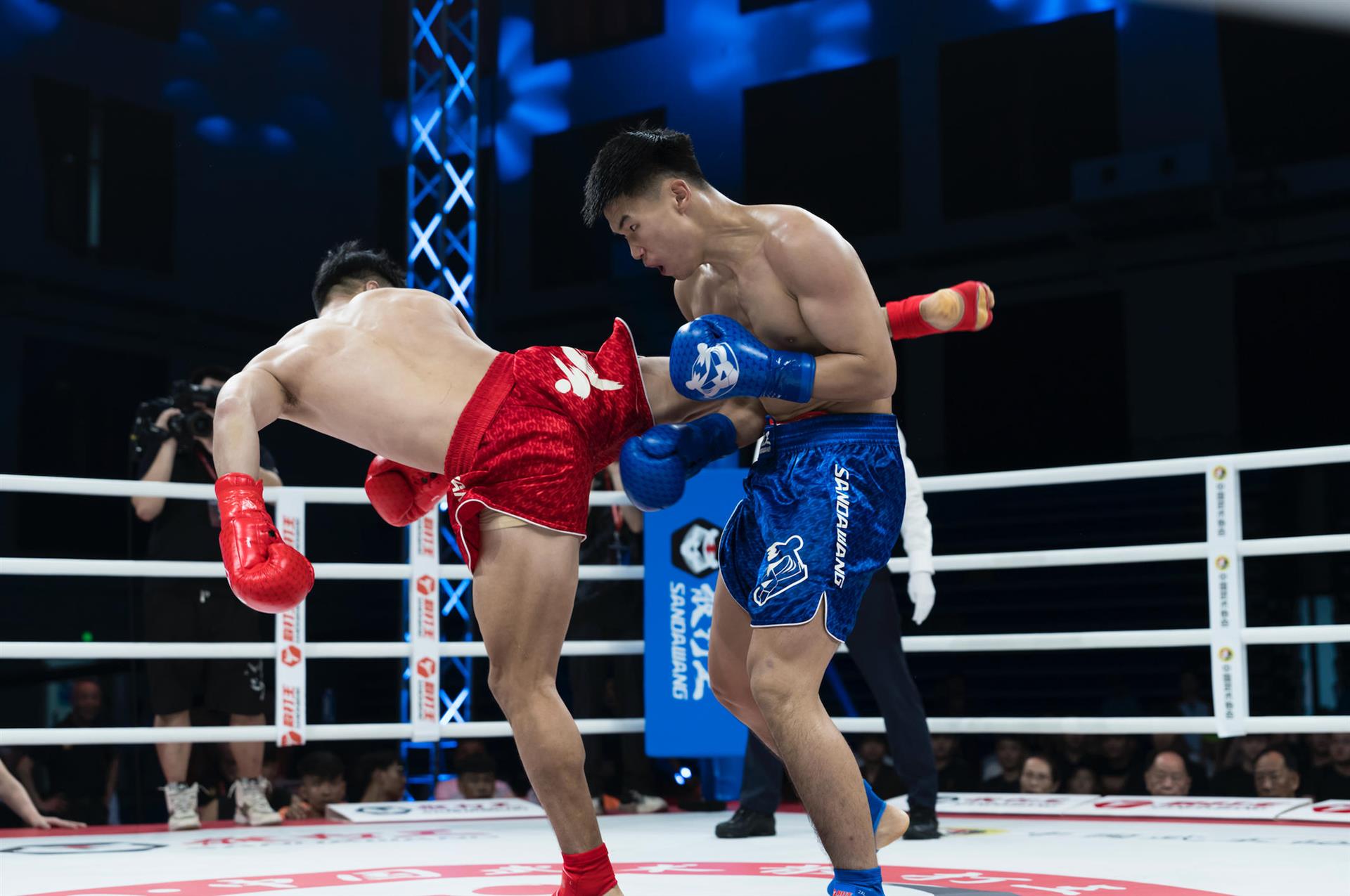


Fig. Spinning Back Techniques Appear in the Arena, Restoring the Combat Essence of Traditional Wushu
The revival of these techniques not only boosts the event’s viewing appeal, but also realizes a return to the core values of Sanda. Stemming from traditional Chinese Wushu, Sanda is more than a simple modern combat sport. The reappearance of traditional techniques allows the public to recognize Sanda’s essence — “rooted in tradition, built upon practical combat”, and perceive its unique technical framework and cultural heritage that differentiate Wushu Sanda from other combat disciplines.
Highlight 4: New Deduction System Fully Activates Arena Confrontation
The 2026 SANDAWANG Season adopts a brand-new deduction scoring system to encourage proactive competition at the institutional level. The new rules actively reward continuous offense and aggressive pressure, while imposing penalty deductions for passive circling, stalling and evasive tactics, completely eliminating conservative competition styles.All matches feature tight rhythm and intensive confrontation without lengthy and ineffective rounds. Every contest consists of high-intensity, highly focused and hardcore battles, creating an intense and passionate arena atmosphere and greatly improving the viewing quality of the event. Tempered by the actual combat of this station, athletes will further optimize their training direction, make up for technical deficiencies, and prepare a stronger competitive state for the upcoming Challenger Challenge.
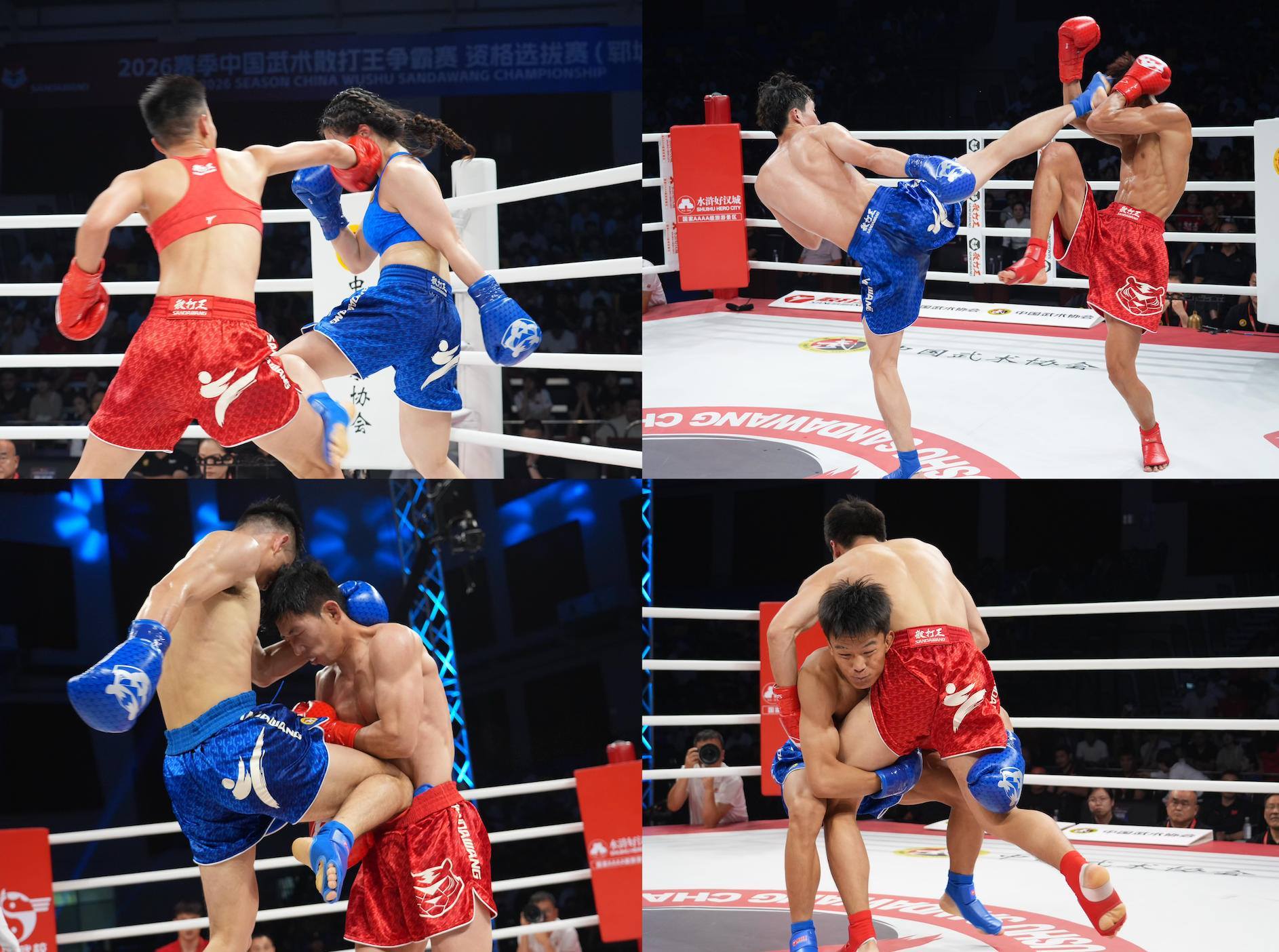

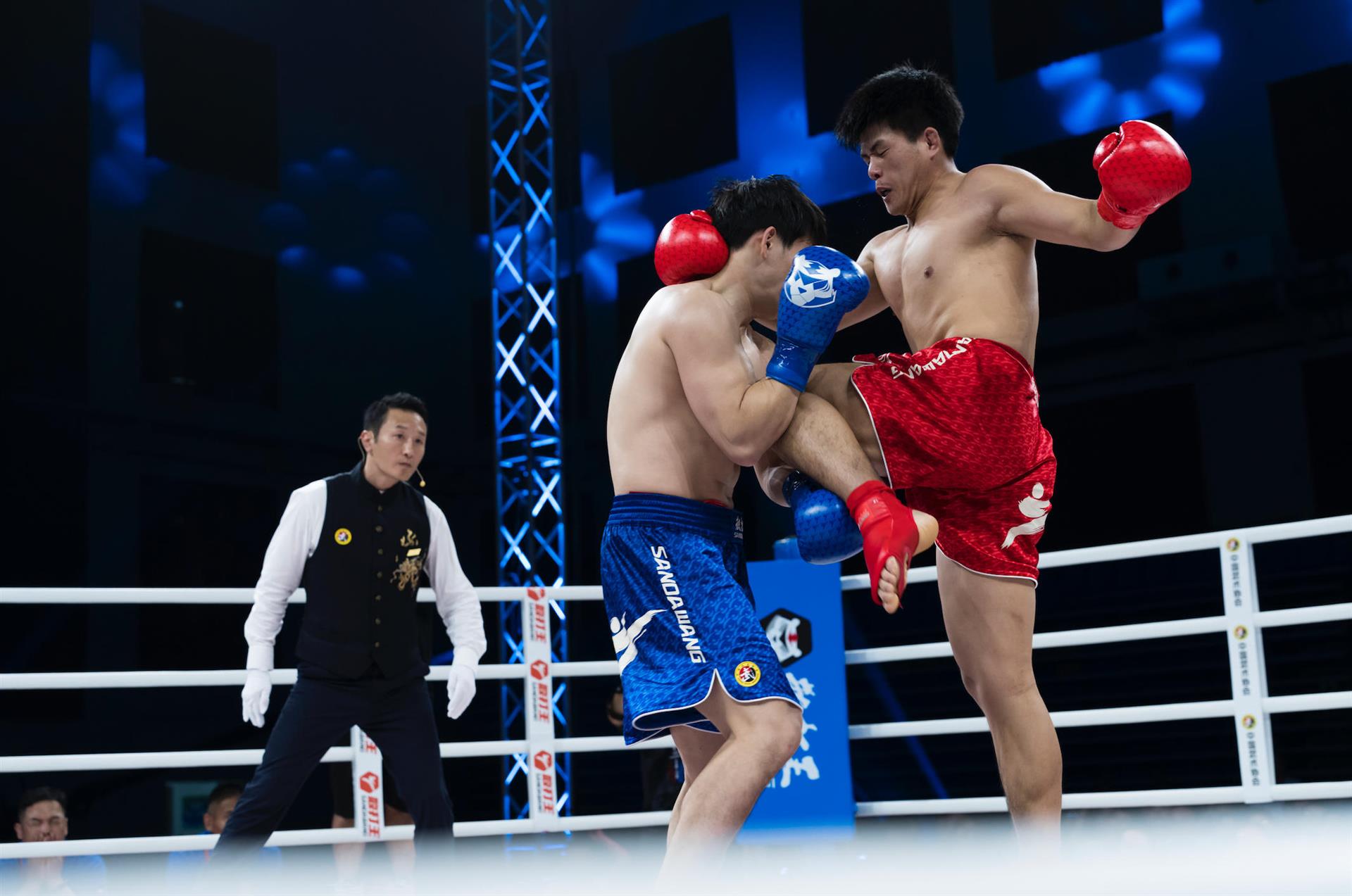

Fig. The New Deduction System Encourages Proactive Offense, Delivering Tight-Paced and Intense Battles Throughout the Event

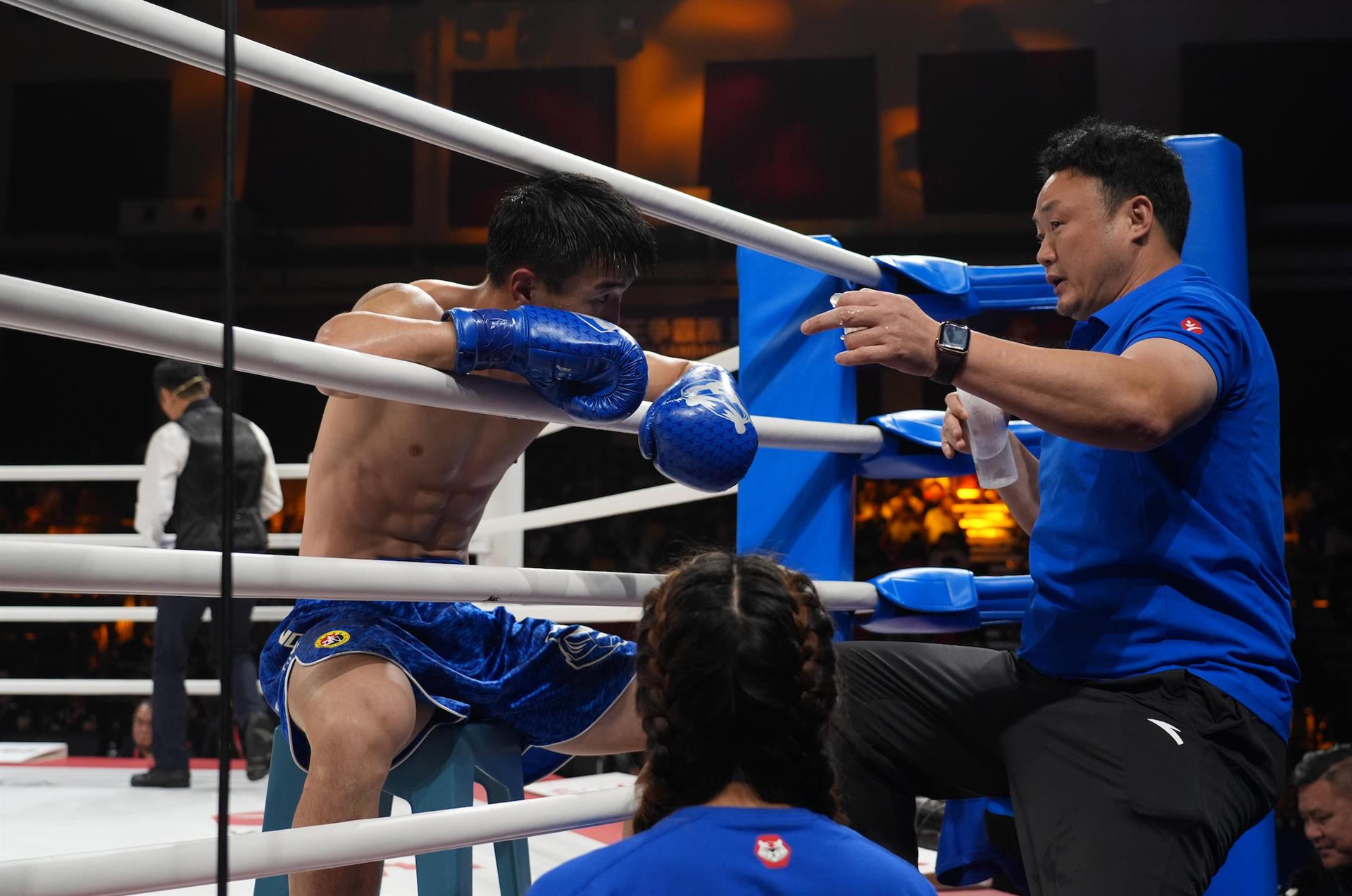
Fig. Coaches Beside the Arena Give Timely Tactical Instructions to Precisely Adjust Athletes’ On-site Offensive and Defensive Strategies
Martial‑art Spirit Blends with Yuncheng: Multiple Forms Promote Wushu CultureYuncheng enjoys the reputation of "China’s Hometown of Wushu" and "Hometown of Heroes". Songjiang Wushu School has long been committed to Wushu education, cultivating numerous world and national champions in Wushu Taolu, Sanda and boxing, and continuously supplying high-caliber talents for China’s combat sports industry. Held in Yuncheng, the event achieves mutual empowerment with the local Wushu training system, advancing the in-depth integration of professional competitions, campus Wushu heritage and urban cultural tourism.
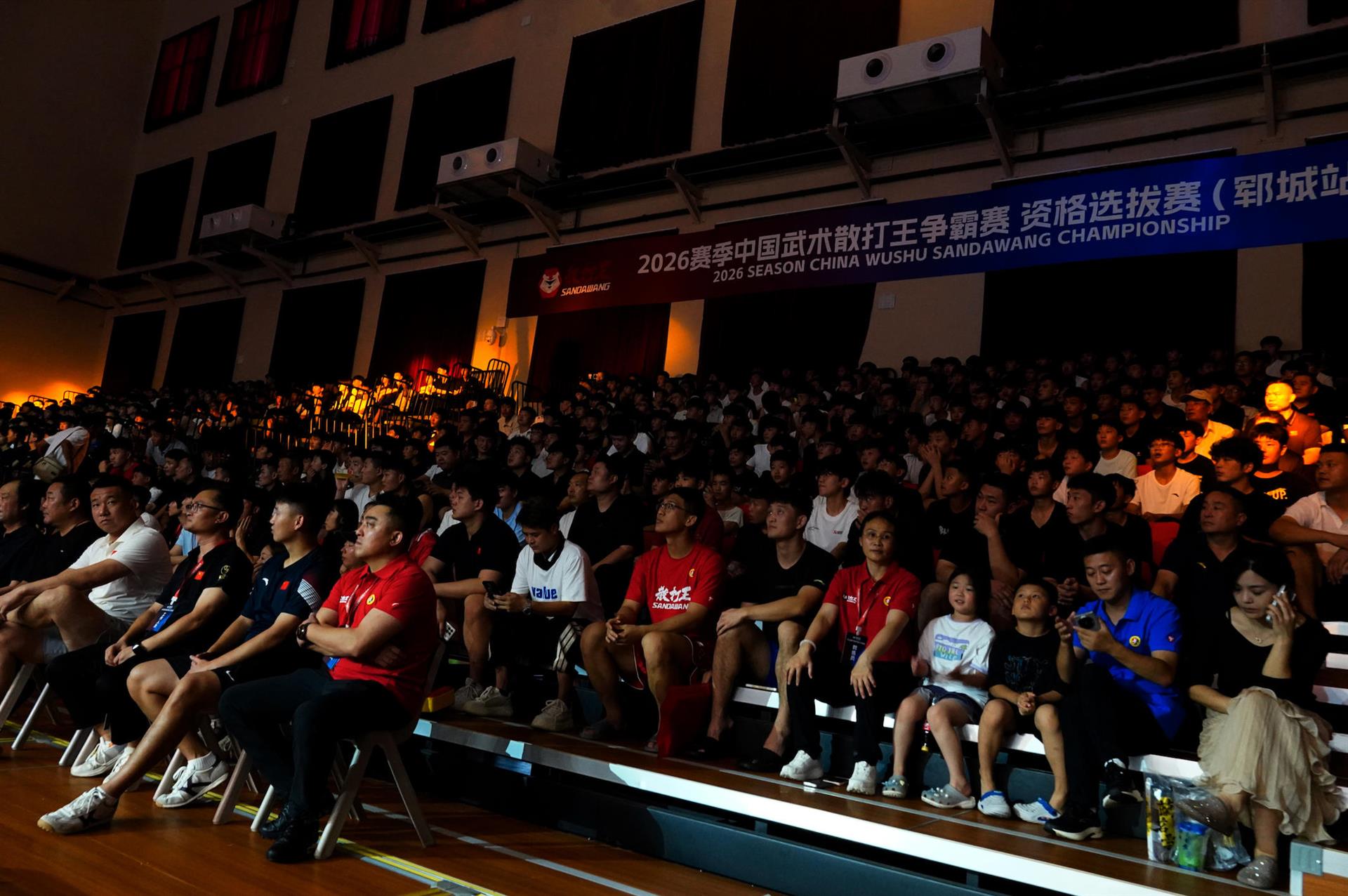

Fig. Spectators Gather at the Venue, Showcasing Yuncheng’s Profound Martial Culture
Integrating classic Sanda striking, kicking and takedown techniques into modern stage arrangements, the performance alternates powerful punches, agile kicks and crisp takedown moves, blending seamlessly with musical rhythms. It vividly demonstrates the youthful spirit of the new‑generation martial artists and conveys the unique charm of traditional Sanda through artistic presentation.
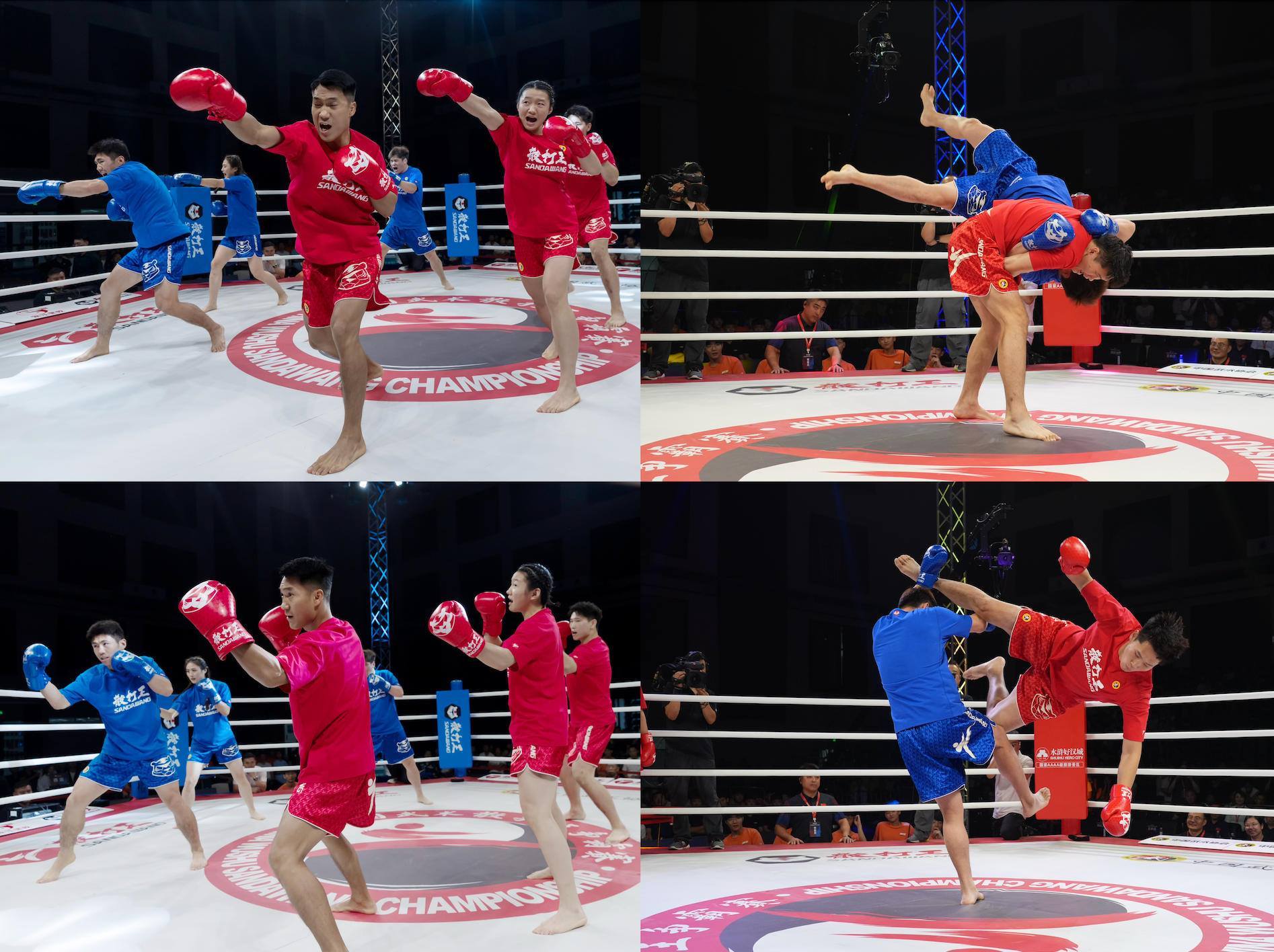

Fig. Athletes Present Self-choreographed Show Dynamic Sanda on the Hexagonal Arena
Liu Hailong, Super SANDAWANG, World SANDAWANG and China SANDAWANG, and Zhao Zilong, SANDAWANG Champion, attended the event to watch the matches and offer comments. Veteran martial artists and new-generation athletes witnessed the competition together on site. The spiritual exchange between veteran and young fighters adds profound heritage to the tournament.
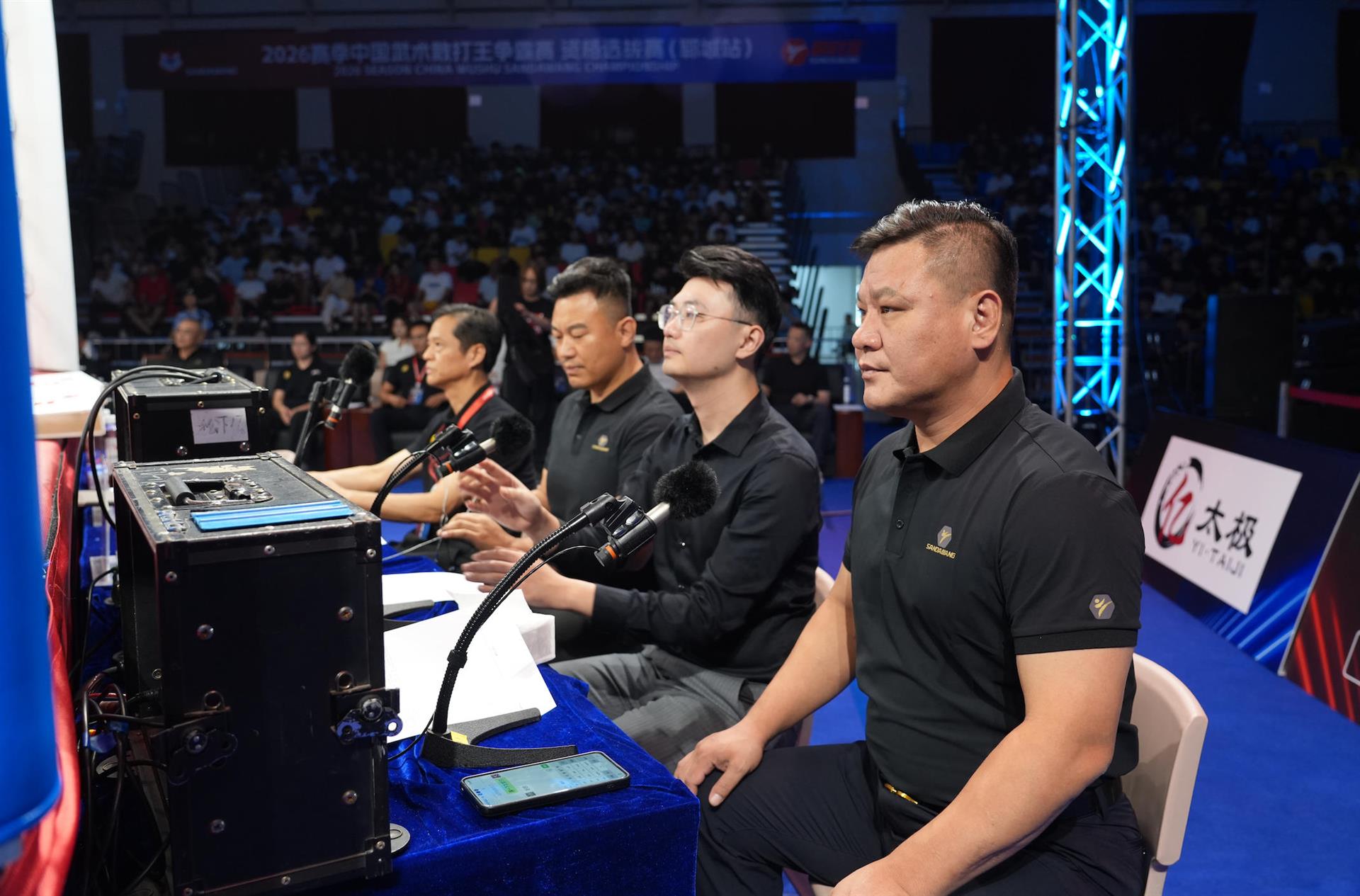

Fig. Legendary SANDAWANGs Watch and Commentate Live, Witnessing the Growth of New-generation Martial Artists
The event also launched SANDAWANG mascot “A‑Wu” cultural‑creative merchandise and Wushu‑themed national‑trend apparel. Building a youth‑oriented lineup of Wushu peripheral products helps popularize Wushu culture to broader audiences, encouraging more people to engage with Sanda and embrace traditional Chinese martial arts.

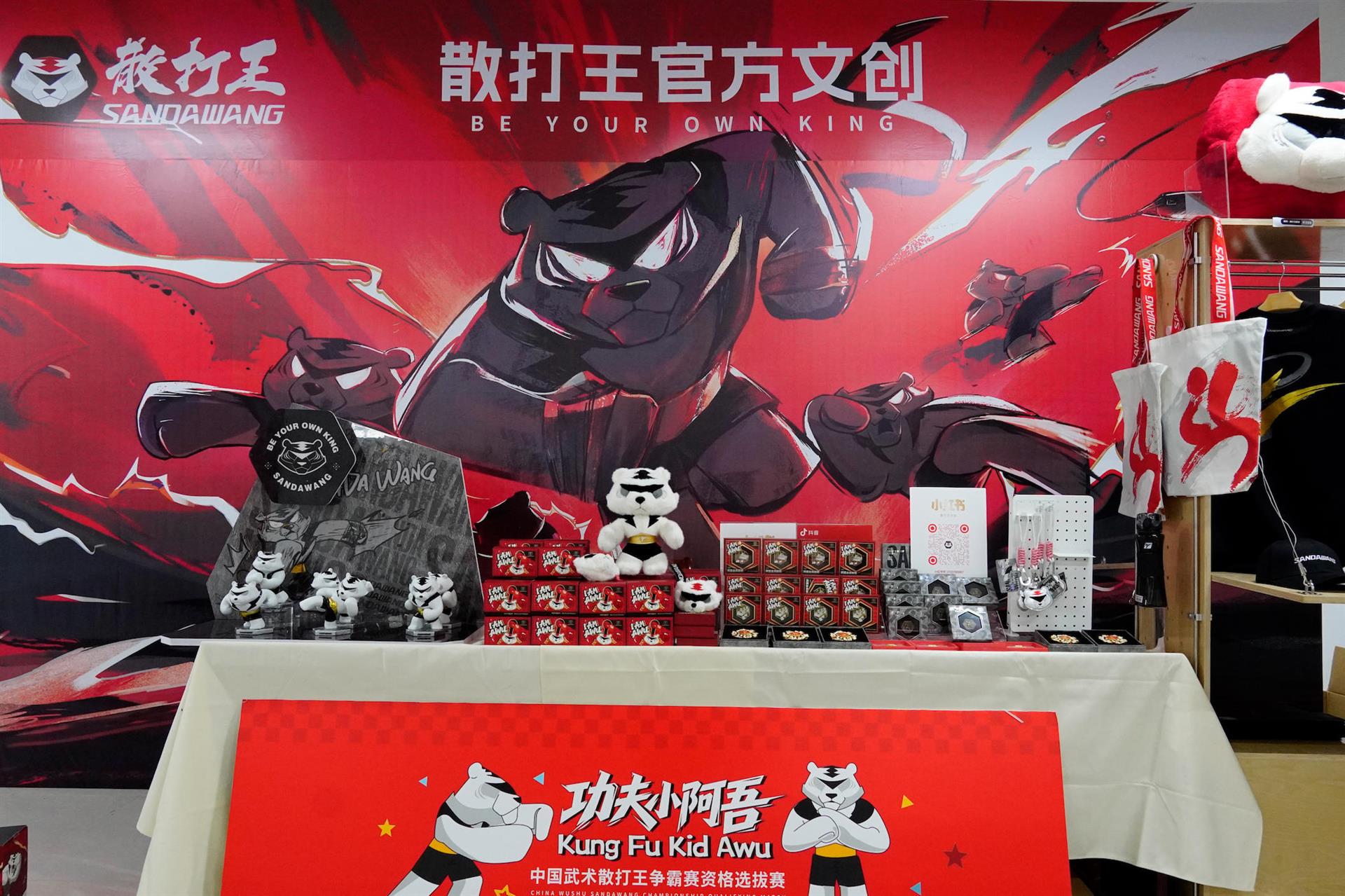
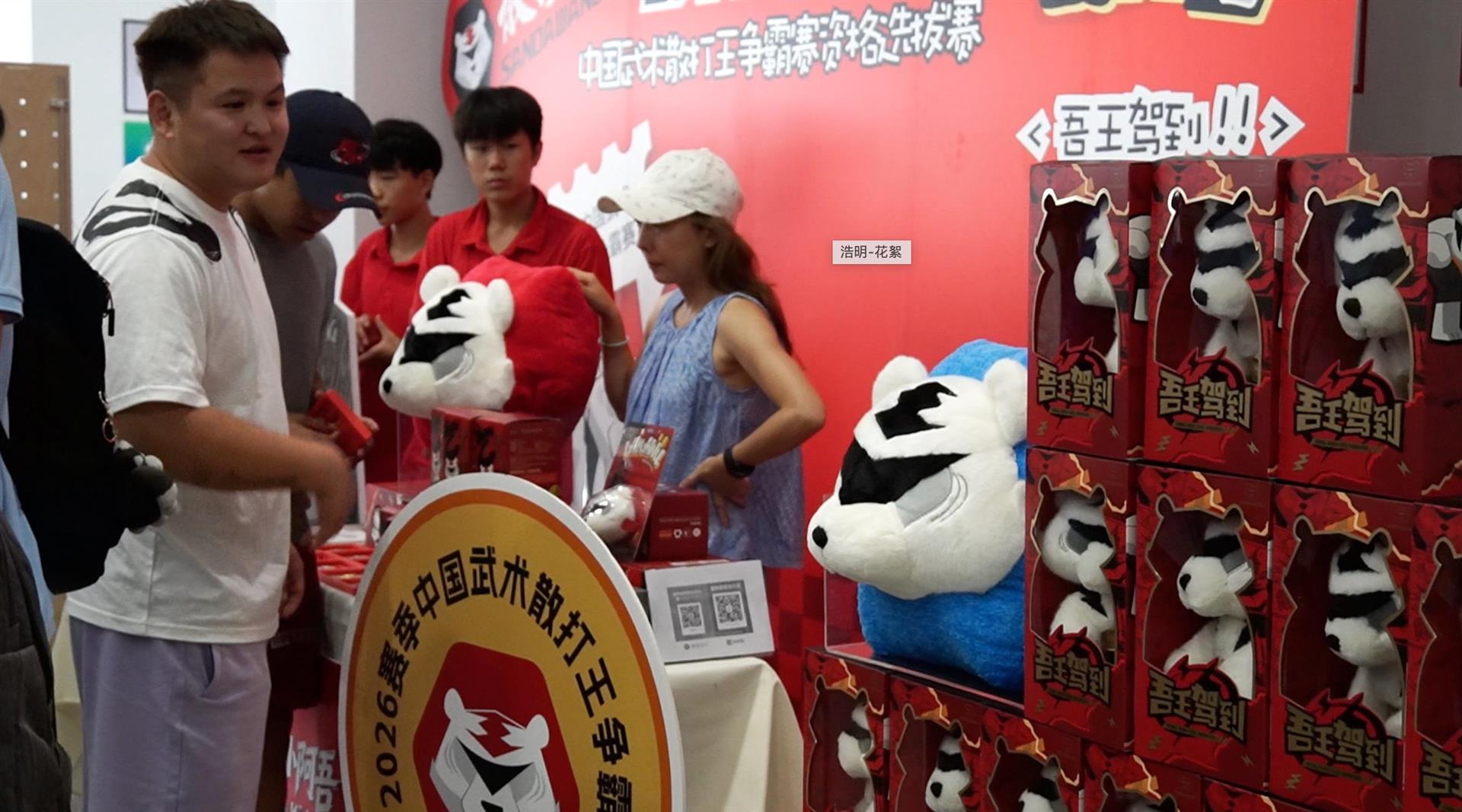

Fig. SANDAWANG National-trend Cultural Merchandise Gains Popularity, Building Youth-oriented Carriers for Wushu Communication
Gearing Up for a New Journey: Contender Challenge Awaits Fighters
As the opening stage of the new season, this qualifying tournament has offered practical combat training and technical refinement for Sanda athletes nationwide. A group of outstanding competitors have secured their qualifications for the Contender Challenge. All matches were recorded for delayed broadcast, and the full list of qualifiers will be officially released together with the official event footage at a later date.Tempered by this competition, participating athletes have demonstrated the brand‑new look of modern Sanda. We look forward to seeing all competitors carry forward the experience and growth gained from the arena to the next round. On the hexagonal arena of the Contender Challenge, they will once again show their prowess and display the genuine, brilliant and confident glamour of contemporary Chinese Wushu Sanda.
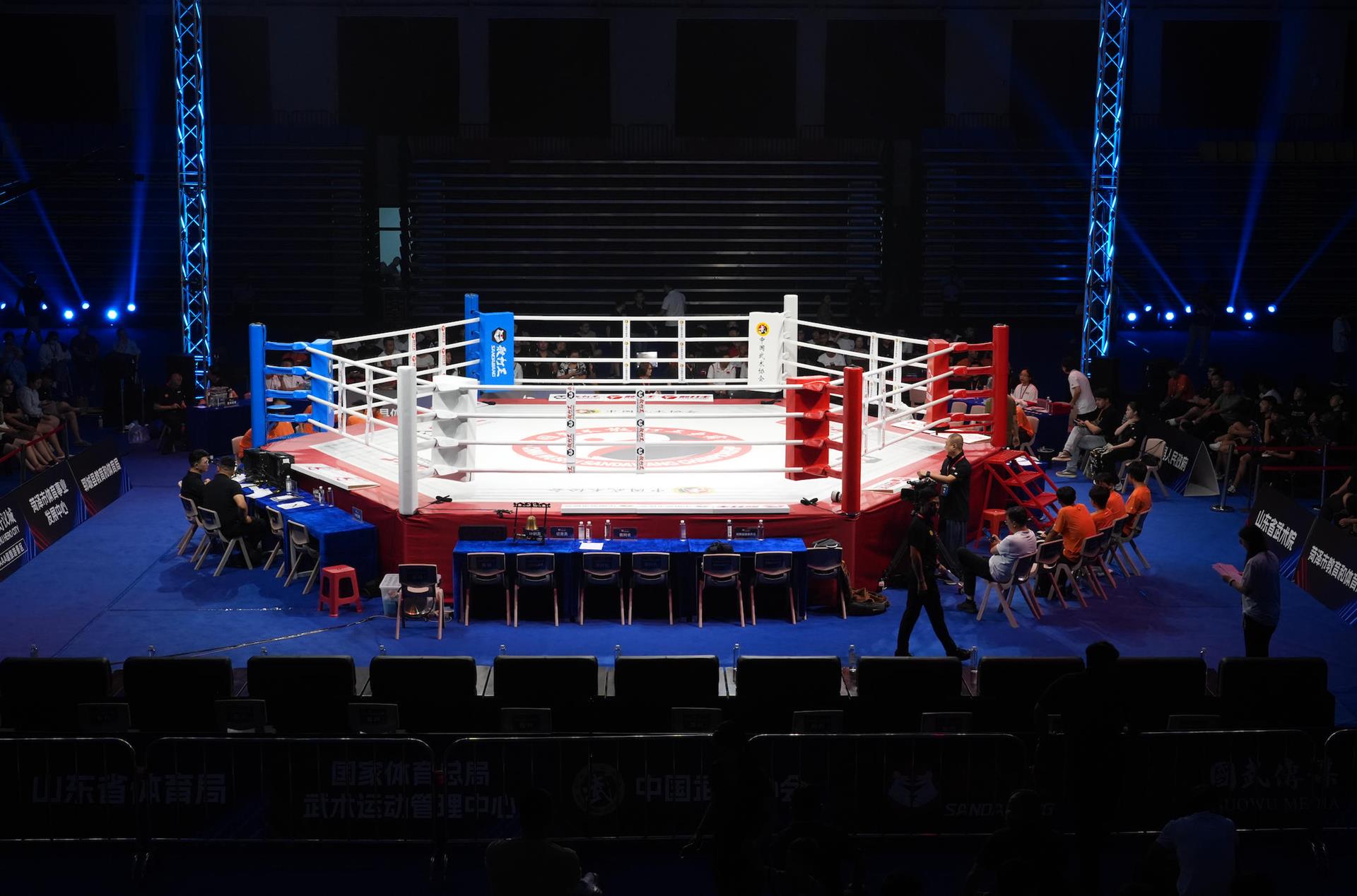

Fig. Fierce Battles Conclude in Yuncheng; Athletes Gear Up for the Contender Challenge
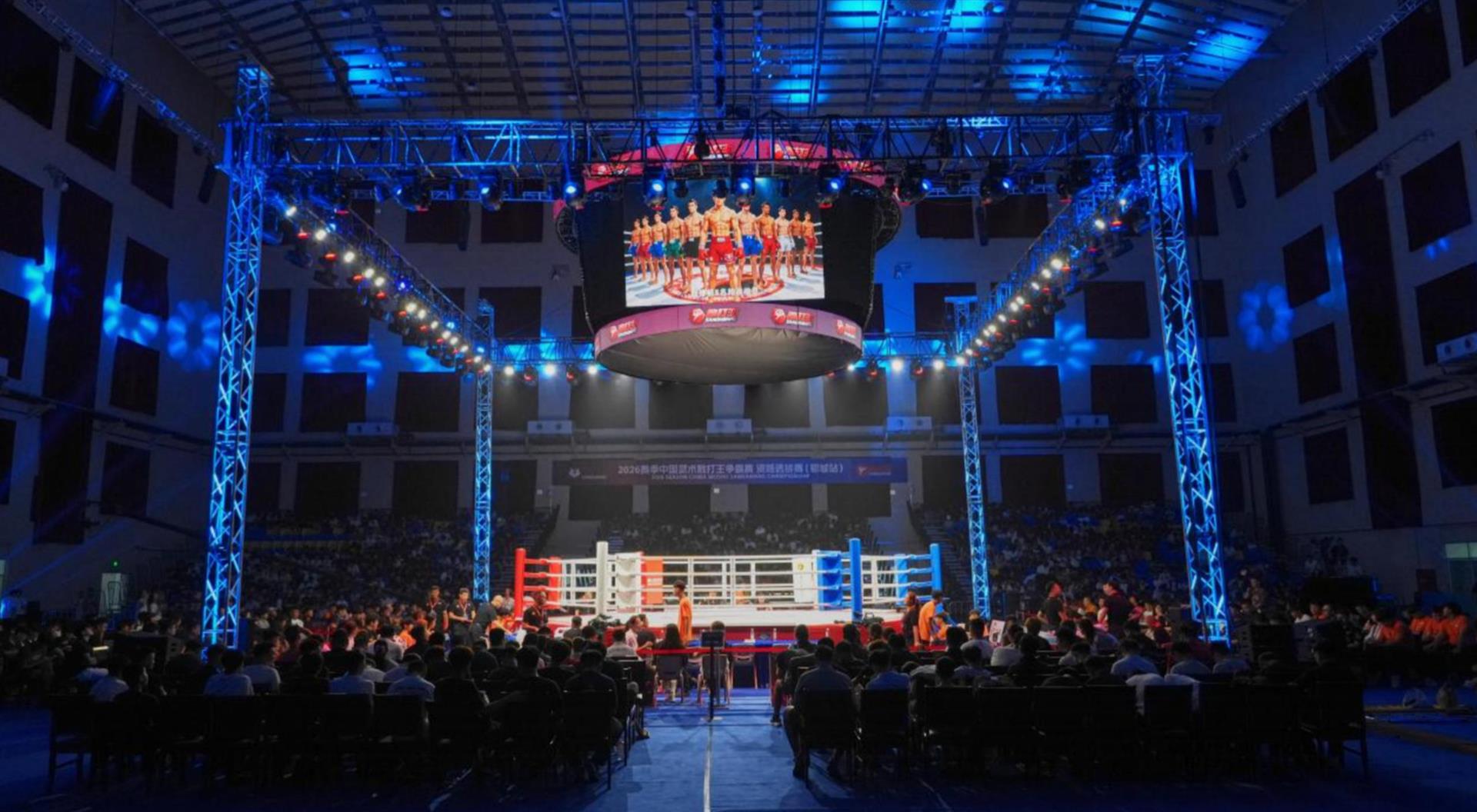

Fig. 2026 Season China Wushu SANDAWANG Championship Qualifiers (Yuncheng Leg) Conclude Successfully
Hosted by the Wushu Sports Management Center of the General Administration of Sport of China, Chinese Wushu Association, Shandong Provincial Bureau of Sports, Heze Municipal People’s Government and Guowu Times International Media Culture (Beijing) Co., Ltd., this leg of the competition is undertaken by Shandong Wushu Institute, Heze Municipal Bureau of Education and Sports, Yuncheng County People’s Government, Sandawang Culture Development (Beijing) Co., Ltd. and Yuncheng Huimeng Sports Culture Development Co., Ltd. Co‑organizers include Heze Sports Development Center, Yuncheng County Bureau of Education and Sports, Yuncheng County Sports Service Center and Yuncheng Songjiang Wushu School.
The whole event adopts closed‑loop management in line with national‑level competition standards. Pre‑event procedures including athlete registration, weigh‑in, organizing committee meeting and technical meeting were carried out in order. During the competition, professional refereeing, on‑site medical support and anti‑doping supervision were implemented simultaneously. The event strictly adheres to the principles of fairness, impartiality and openness throughout all sessions.
Fig. Organizing Committee Meeting Held in Order to Consolidate the Foundation of Event Organization
Fig. Referee Gives Start Signal as Female Athletes Get Ready
Fig. Referee Team Performs Duties Diligently, With Technical Supervisors and On-site Officials Working Across Roles to Safeguard Fairness on the Arena
Fig. On-site Medical Team Stays On Duty Throughout to Ensure Event Safety
For the final‑session matches, guests present included Chen Chong and Li Yongqiang, Deputy Directors of the Wushu Sports Management Center of the General Administration of Sport of China and Vice‑Chairmen of the Chinese Wushu Association; Xu Weining, Chairman of Guowu Times International Media Culture (Beijing) Co., Ltd.; Chi Yongjun, Chief Executive Officer of Guowu Times International Media Culture (Beijing) Co., Ltd.; Wei Shubo, Member of the Party Leadership Group and Deputy Director of Shandong Provincial Bureau of Sports; Zhang Xiangfu, Party Secretary and Director of Shandong Wushu Institute; as well as Li Ping, Director of the Editorial Committee of Chinese Wushu Magazine.
The leaders and guests closely observed athletes’ competitive performance, in‑ring technical displays and overall event organization. They fully recognized the innovative measures of this qualifier, such as the revival of traditional Sanda techniques, reformed competition rules and the balanced arrangement for men’s and women’s events.
Fig. Leaders and Distinguished Guests Attend to Watch the Competition On-site
Domestic Sanda competitions in the past have long centered on men’s divisions, while women’s events received relatively limited exposure and development opportunities. For the 2026 SANDAWANG Season, the event structure has been optimized with two standalone women’s divisions: 56kg and 65kg. It builds a national‑level professional platform where male and female athletes compete on equal footing to showcase their strengths, making up for the shortcomings in the development of women’s Sanda events.
Fig. High-intensity Competition in Women’s Divisions, Female Fighters Demonstrate Impressive Competitive Strength
Highlight 2: Comprehensive Technical Upgrading, Re‑defining the Aesthetics of Heavy‑weight Sanda
In traditional competitions, heavy‑weight athletes over 90 kg are often stereotyped as slow‑moving and one‑dimensional, relying merely on brute strength, which weakens the viewing experience. This qualifying event breaks such prejudices. Many heavy‑weight competitors move beyond simple strength‑dominated tactics and achieve an organic integration of power, speed, tactics and body movement.
Fig. Heavyweight Athletes Combine Power and Tactics to Redefine the Competitive Aesthetics of Heavyweight Sanda
Highlight 3: Return of Traditional Techniques Highlights the Core Spirit of Sanda
The 2026 SANDAWANG Season witnesses the full return of authentic traditional Sanda techniques to the arena, realizing the restoration of the sport’s original essence. Matches are no longer limited to repetitive exchanges of straight punches and whip kicks. Instead, a wide range of classic techniques rooted in traditional Chinese Wushu have made frequent appearances and amazed audiences.Spinning back fists and spinning back kicks have become iconic highlights of the tournament. Athletes generate power through waist rotation and body torsion, delivering fluid, well-structured movements with deceptive offense and defense. Combining explosive force with high viewing value, their performances perfectly interpret the combat wisdom of traditional Wushu. Every technique carries profound heritage, reflecting the profound accumulation and essence of Chinese martial arts.
Fig. Spinning Back Techniques Appear in the Arena, Restoring the Combat Essence of Traditional Wushu
Highlight 4: New Deduction System Fully Activates Arena Confrontation
The 2026 SANDAWANG Season adopts a brand-new deduction scoring system to encourage proactive competition at the institutional level. The new rules actively reward continuous offense and aggressive pressure, while imposing penalty deductions for passive circling, stalling and evasive tactics, completely eliminating conservative competition styles.All matches feature tight rhythm and intensive confrontation without lengthy and ineffective rounds. Every contest consists of high-intensity, highly focused and hardcore battles, creating an intense and passionate arena atmosphere and greatly improving the viewing quality of the event. Tempered by the actual combat of this station, athletes will further optimize their training direction, make up for technical deficiencies, and prepare a stronger competitive state for the upcoming Challenger Challenge.
Fig. The New Deduction System Encourages Proactive Offense, Delivering Tight-Paced and Intense Battles Throughout the Event
Fig. Coaches Beside the Arena Give Timely Tactical Instructions to Precisely Adjust Athletes’ On-site Offensive and Defensive Strategies
Fig. Spectators Gather at the Venue, Showcasing Yuncheng’s Profound Martial Culture
Fig. Athletes Present Self-choreographed Show Dynamic Sanda on the Hexagonal Arena
Fig. Legendary SANDAWANGs Watch and Commentate Live, Witnessing the Growth of New-generation Martial Artists
Fig. SANDAWANG National-trend Cultural Merchandise Gains Popularity, Building Youth-oriented Carriers for Wushu Communication
Gearing Up for a New Journey: Contender Challenge Awaits Fighters
As the opening stage of the new season, this qualifying tournament has offered practical combat training and technical refinement for Sanda athletes nationwide. A group of outstanding competitors have secured their qualifications for the Contender Challenge. All matches were recorded for delayed broadcast, and the full list of qualifiers will be officially released together with the official event footage at a later date.Tempered by this competition, participating athletes have demonstrated the brand‑new look of modern Sanda. We look forward to seeing all competitors carry forward the experience and growth gained from the arena to the next round. On the hexagonal arena of the Contender Challenge, they will once again show their prowess and display the genuine, brilliant and confident glamour of contemporary Chinese Wushu Sanda.
Fig. Fierce Battles Conclude in Yuncheng; Athletes Gear Up for the Contender Challenge